
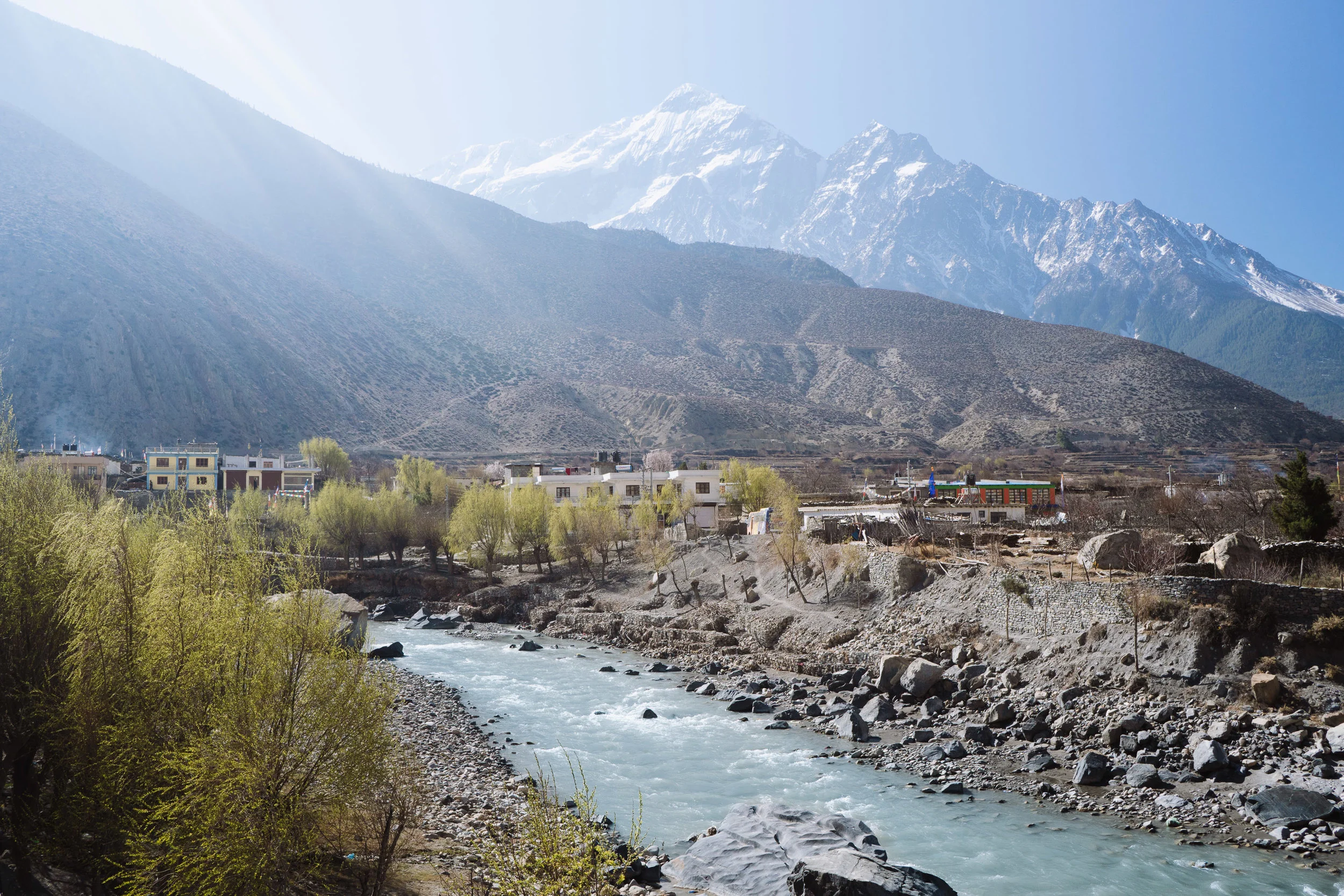


I first heard about Mustang about 6 months ago; a lost Kingdom, hidden in the Himalayas, part of Nepal, bordering with Tibet. The people of area were of Tibetan ancestry and were known as ‘Lhobas’. They lived a simple life, very rich in Tibetan Buddhist culture, which has been preserved well, and to my understanding you could almost experience what Tibet would have been like prior to Chinese invasion in 1950.
I was aware that within the past few years a road had connected Mustang to the rest of Nepal, prior to that there was a path (which was the route I took) however; wide enough and suitable for a family, and their Yaks or Horses… and possibly a motor bike, certainly no jeeps or such like. I wanted to see and experience Mustang now, before the area changed and had a lot of influence from western culture as much of the world has now; I wanted to get off the grid. I knew there was limited electricity, simple accommodation and no internet; to me that triggers excitement!
The aim of the project was to visit the area, learn more about their culture, tradition, Buddhist religion, history, education, and document how all of this is being affected by better transportation, western influence and tourism.


Jomsom to Lo Manthang
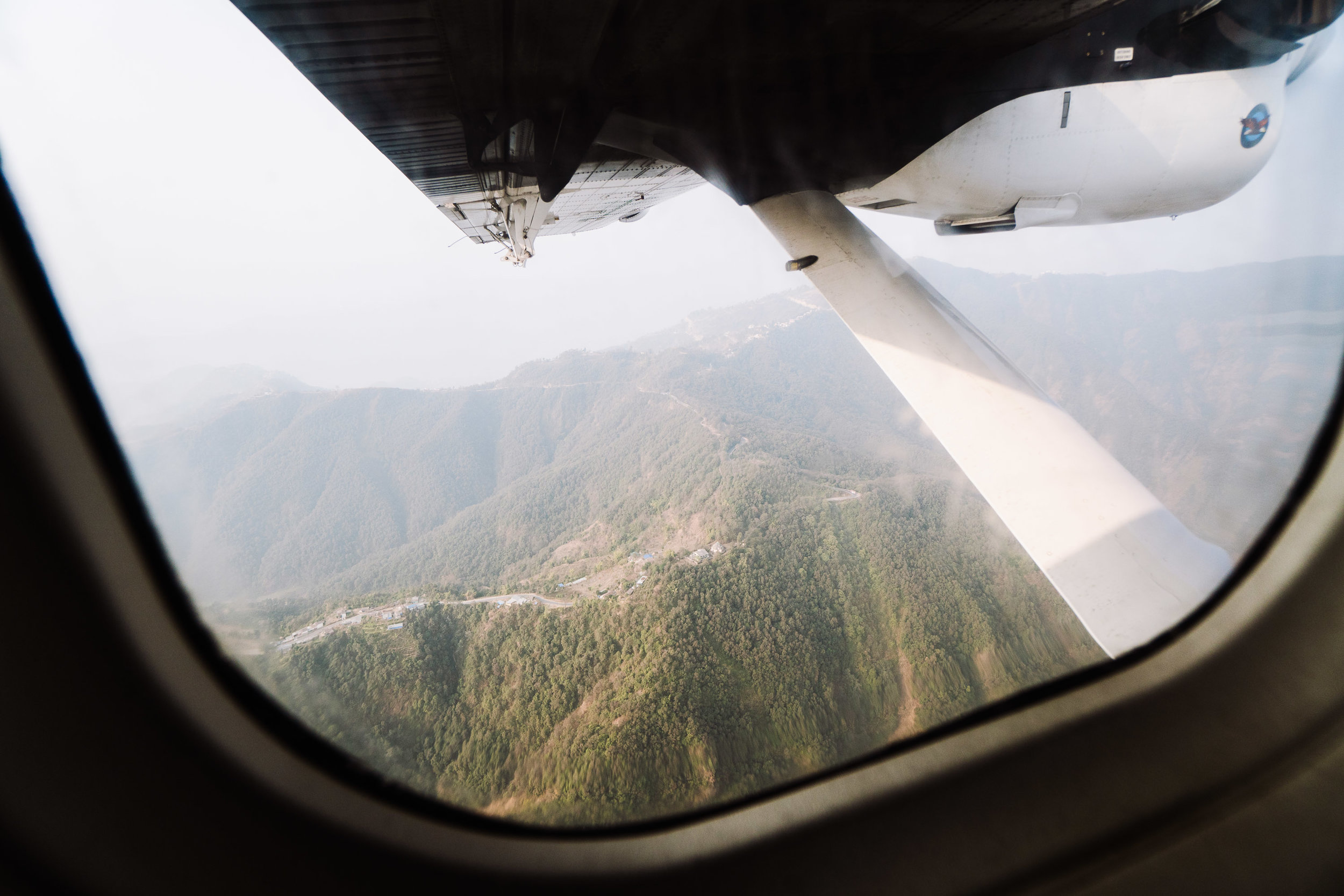
I started off my trip by taking a small 16 seater plane from Pokhara to Jomsom, a small town in Lower Mustang where we; me and my guide Kipa, would start our trek.
It would be 6 days trekking from Jomsom to Lo Manthang; the capital of Mustang, where their Royal Family is based, within a Unesco World Heritage Site; a walled medieval city; which is recognised as one of the best preserved in the world from that time. The late King of Mustang was 26th on the throne, since his direct descendant Ame Pal, came from Tibet to Mustang, fought local warlords occupying the area and built the walled city in 1380 AD.
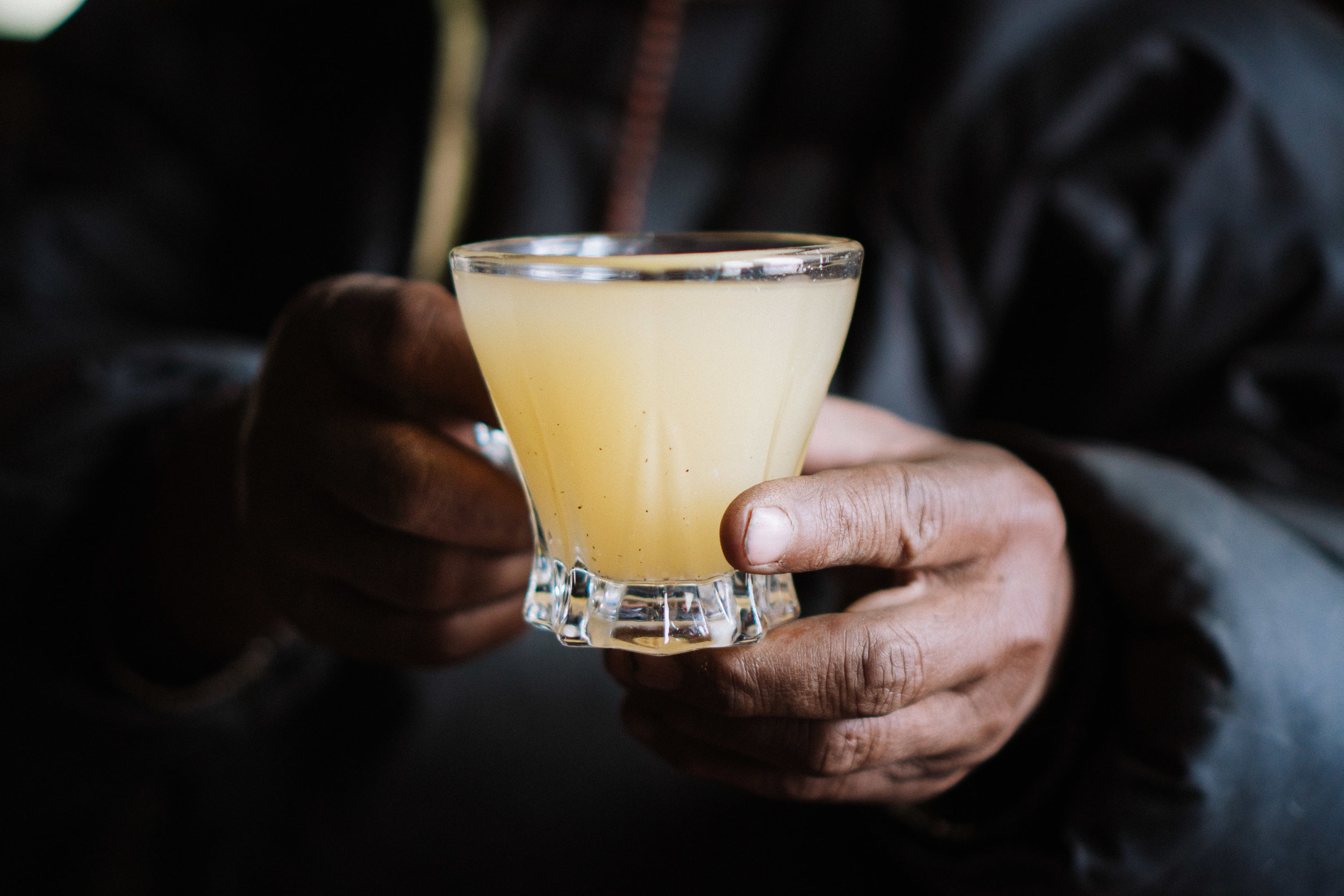
On route, we stayed in small villages in homestays and guest houses, ate a lot of Dahl Baht (veggie and lentil curries), spent most of our evenings with our hosts, drank a lot of tea and Roxsi (the local rice wine – similar to Japanese Sake).


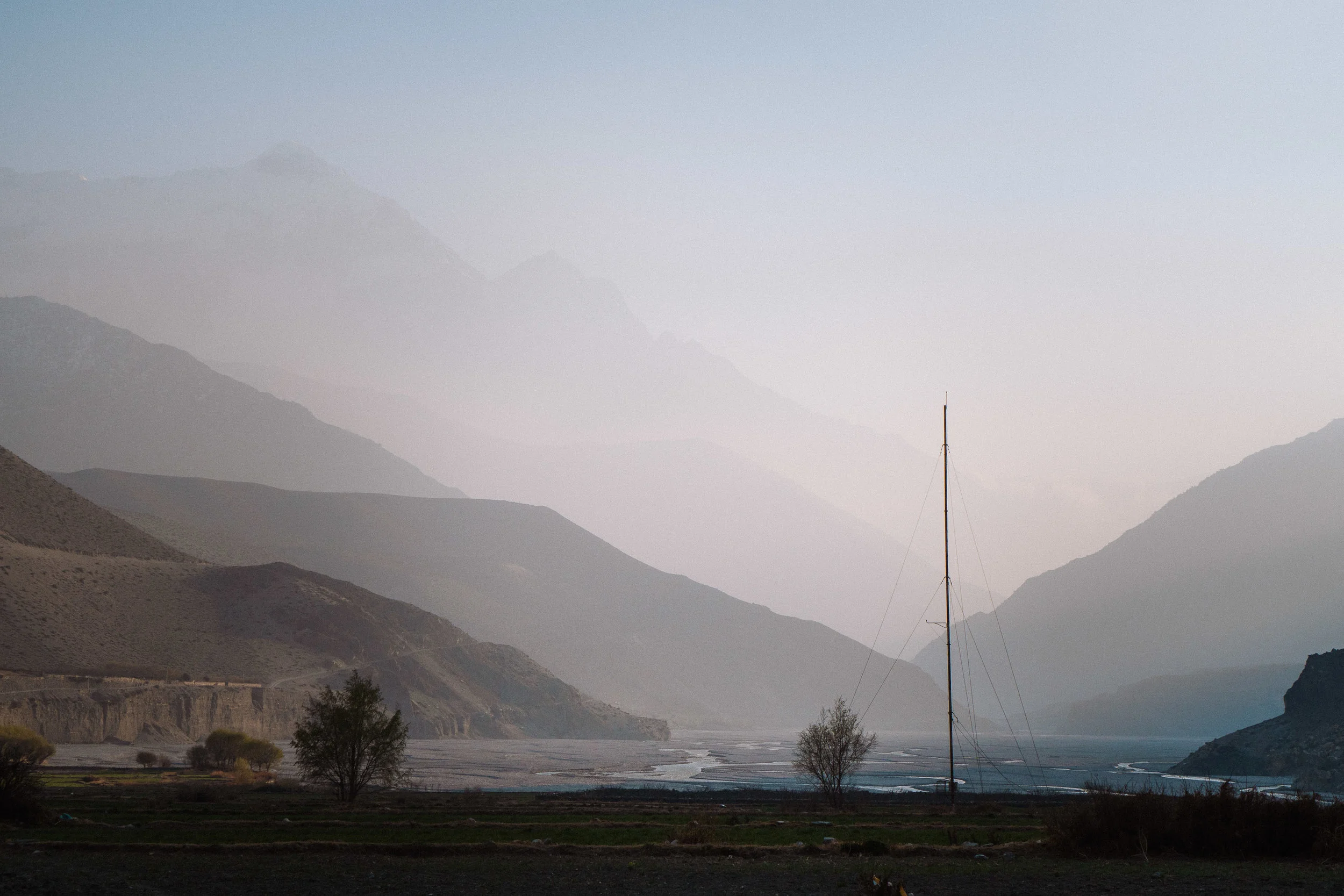

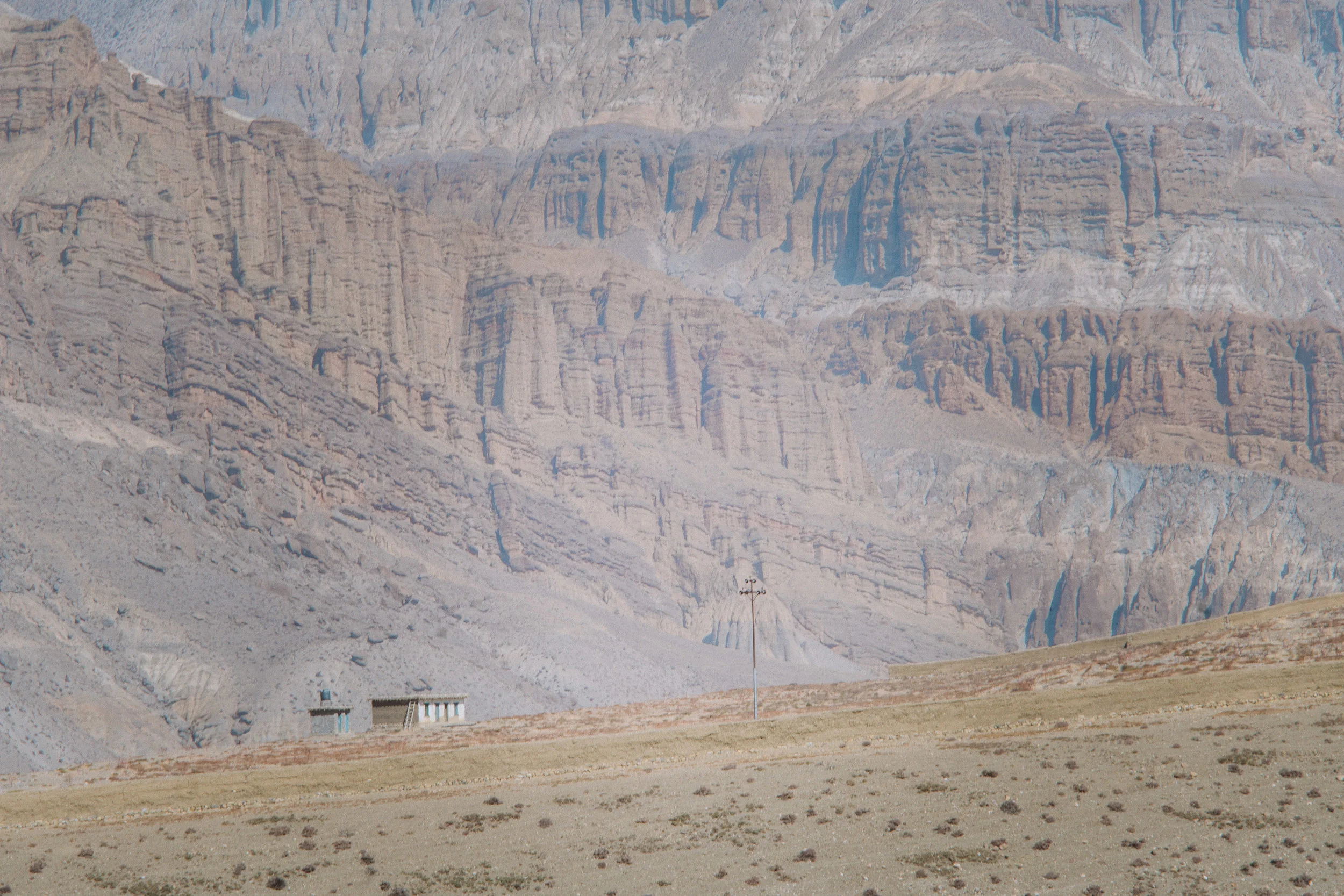
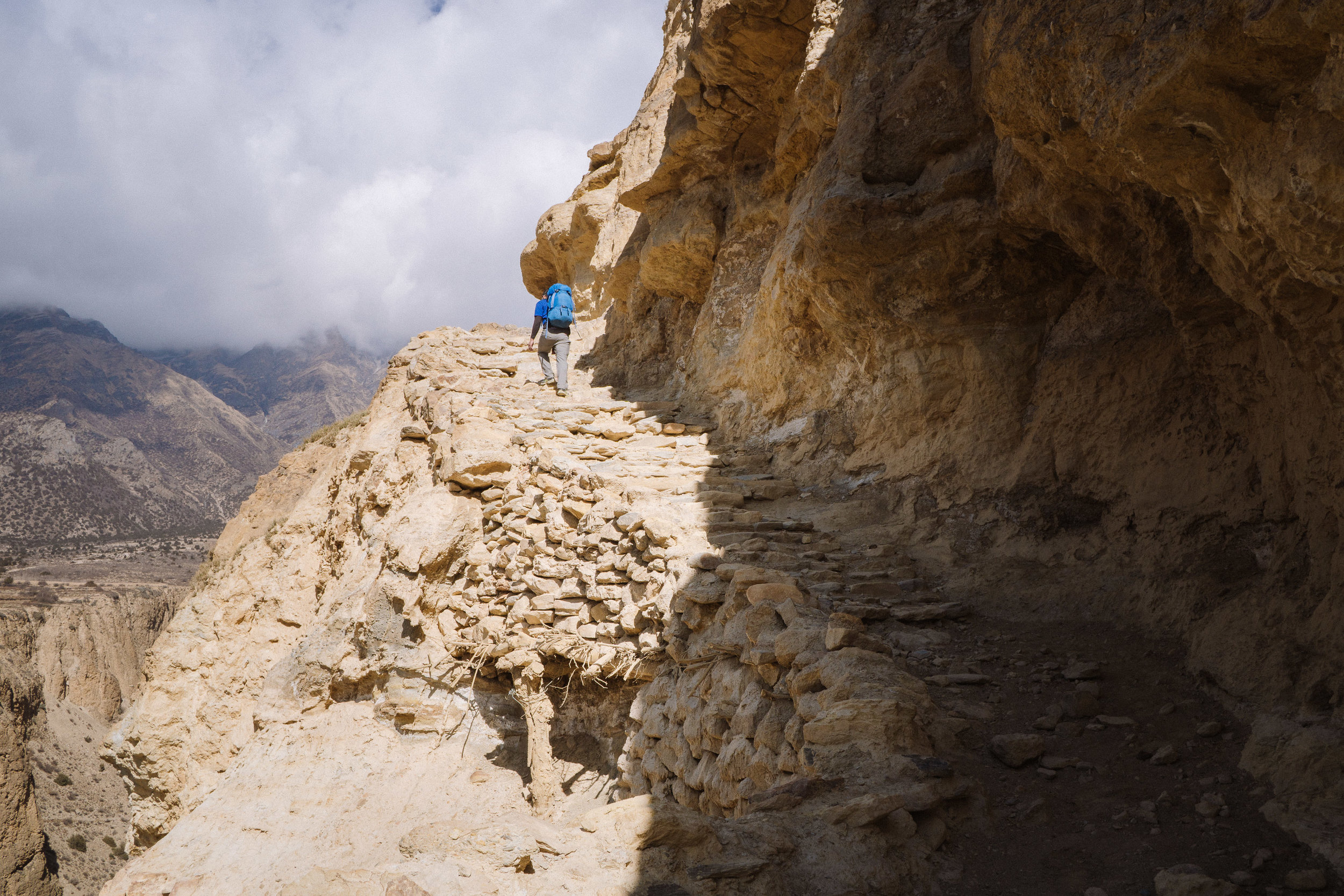
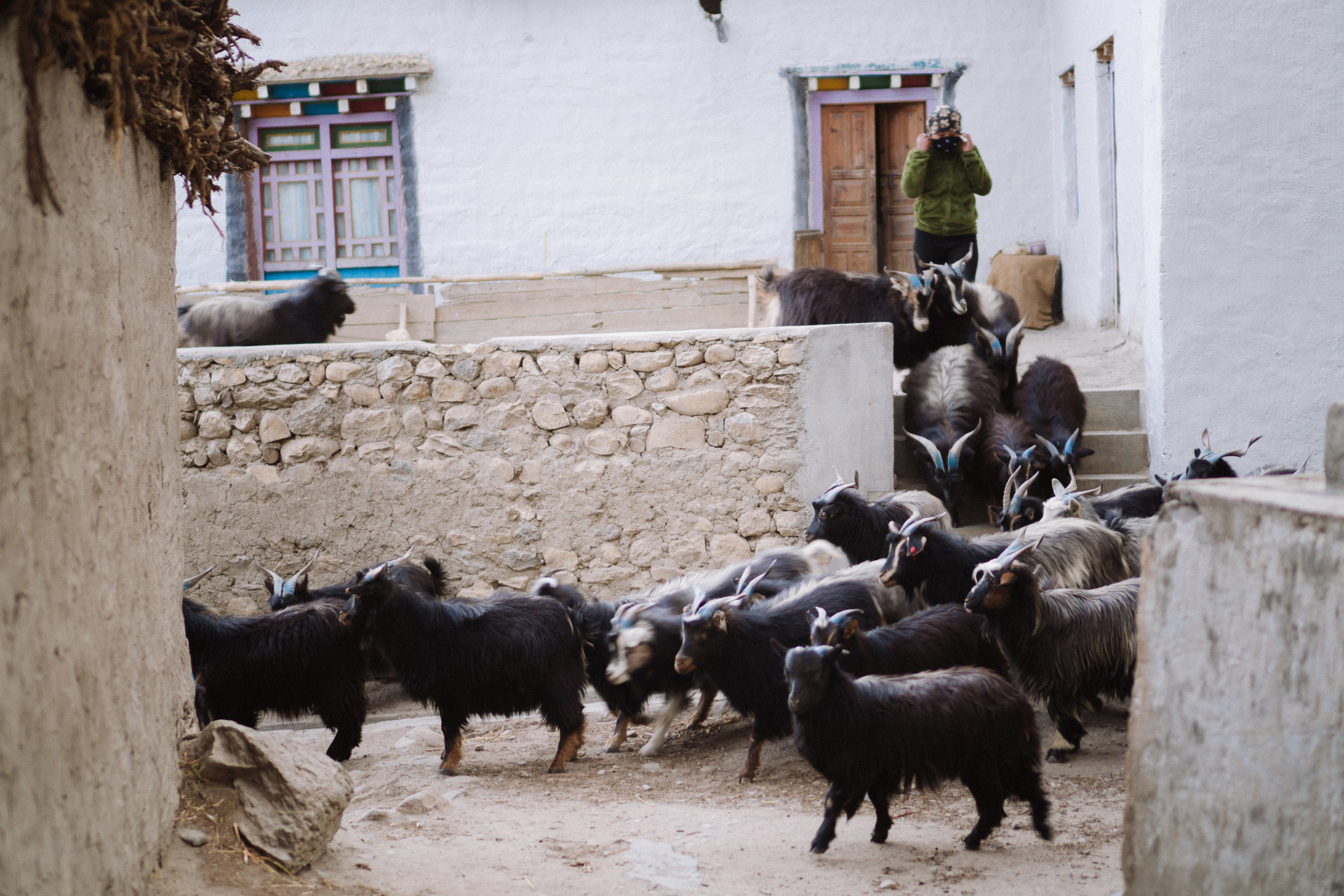
The landscape through Mustang is like nothing I’ve ever experienced; barren mountain desert, canyons, not much vegetation; it is fairly unnatural to think that humans settled here at 3000–4000m above sea level, with icy cold winds, temperatures of −15°C at night; but still the Lhobas have made it work. The scenery to me is majestic, I found myself stopping quite regularly when trekking; partly due to being out of breath from the altitude, but also because every corner, every direction seemed like an incredible view which I wanted to experience as much as possible.



The Buddhist Cave
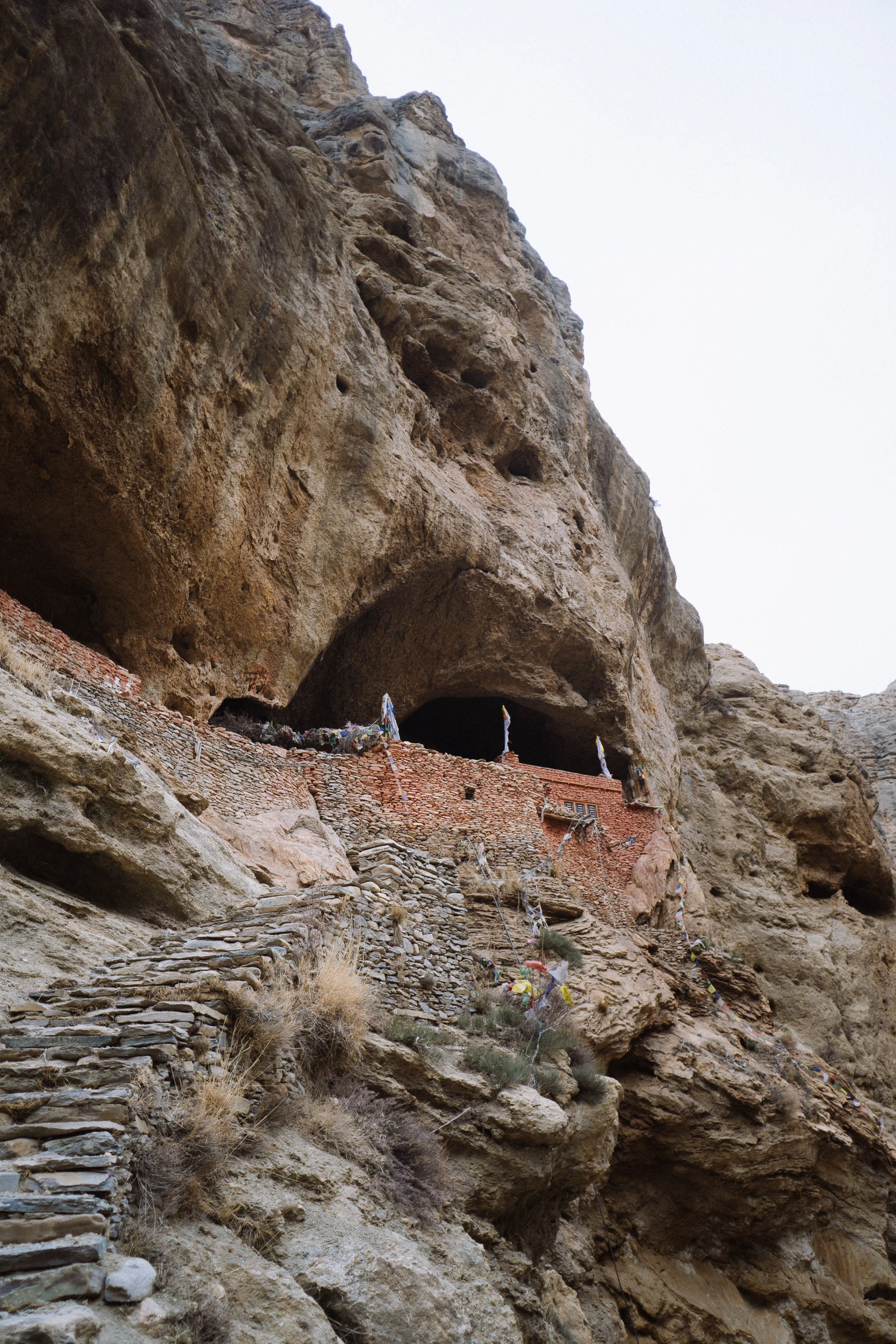
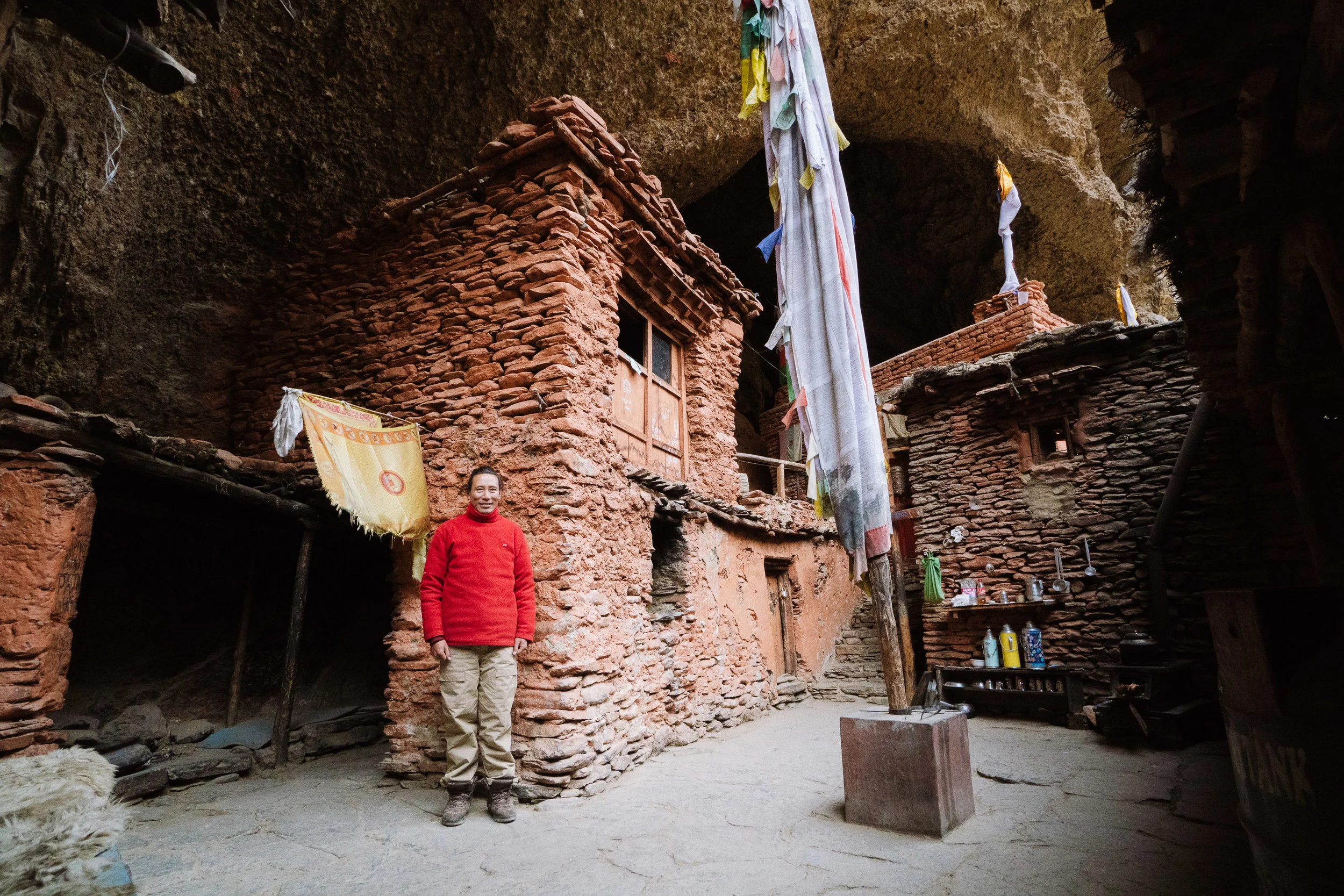
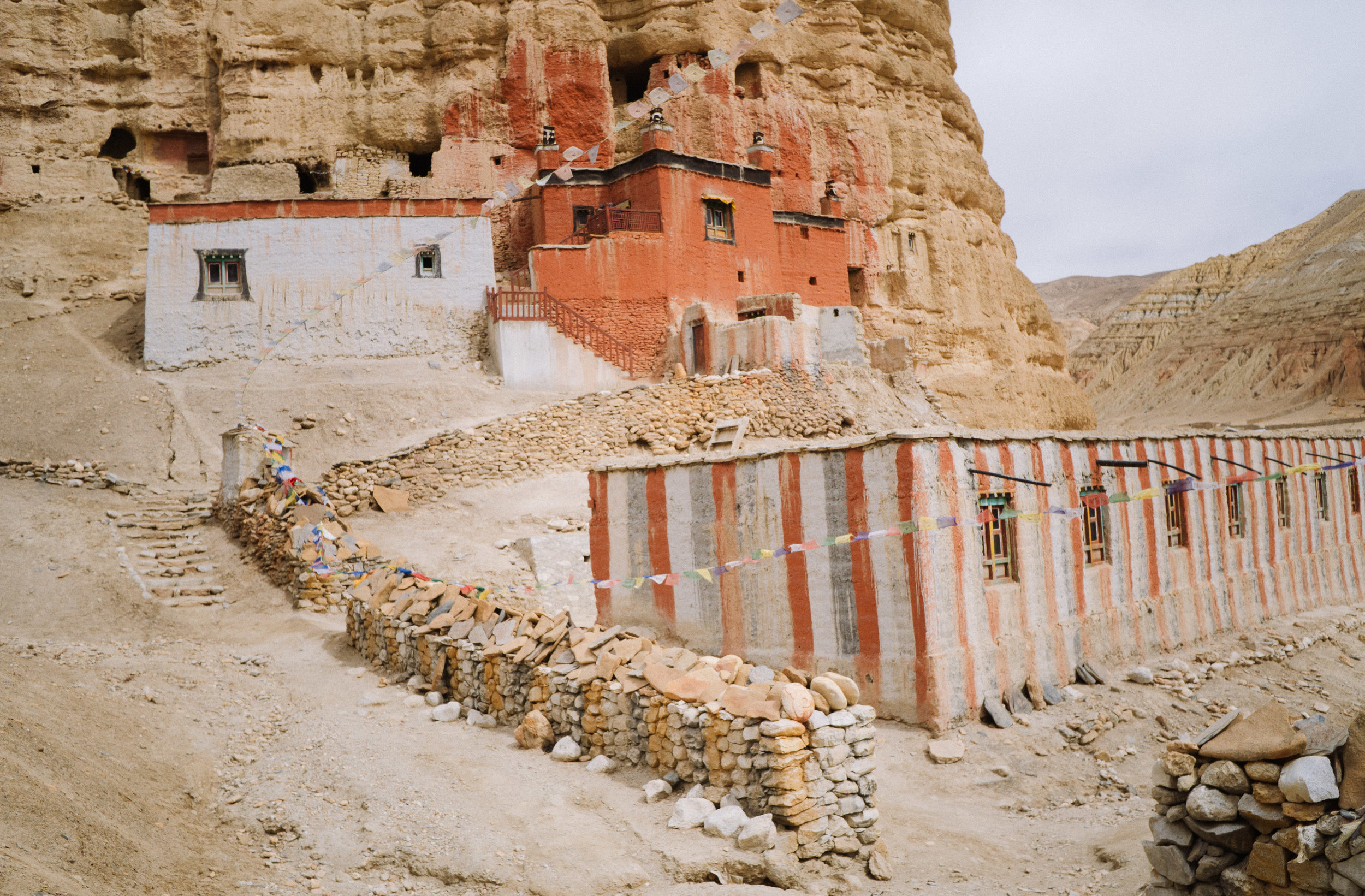
On the 3rd day when trekking from Chele to Syangmochen we saw on the map a little detour to a Buddhist cave, so made the effort to go visit. I wasn’t too sure what to expect but the guide had explained that there were a lot of these caves across Nepal and Mustang, and how it is fairly common for Buddhist Monks to go off and find solitude as the Buddha once did to practice meditation. A lot of these caves have had Monks live in them at some point in time, but the vast majority are not occupied.
We were however in luck; we met Sangee; a Tibetan who had moved to Nepal as a refugee in 1992, he had immaculate English, so was able to talk with me for a couple of hours about his life, and a small history of the cave – initially found in around 800AD by an Indian Lama (Monk), and had over the centuries had different elements added to it. Sangee had been there for coming up to a year, and we were the first people to visit the cave within the last three months as it had been winter in Mustang; meaning very few locals and no tourism. His daily routine consisted of waking about 4am, and meditation until 10–11am, where he would break for food, reading and learning, and then meditate again from 3–9pm when he would eat, sleep, then repeat. Luckily enough we arrived during his mid-day slot.
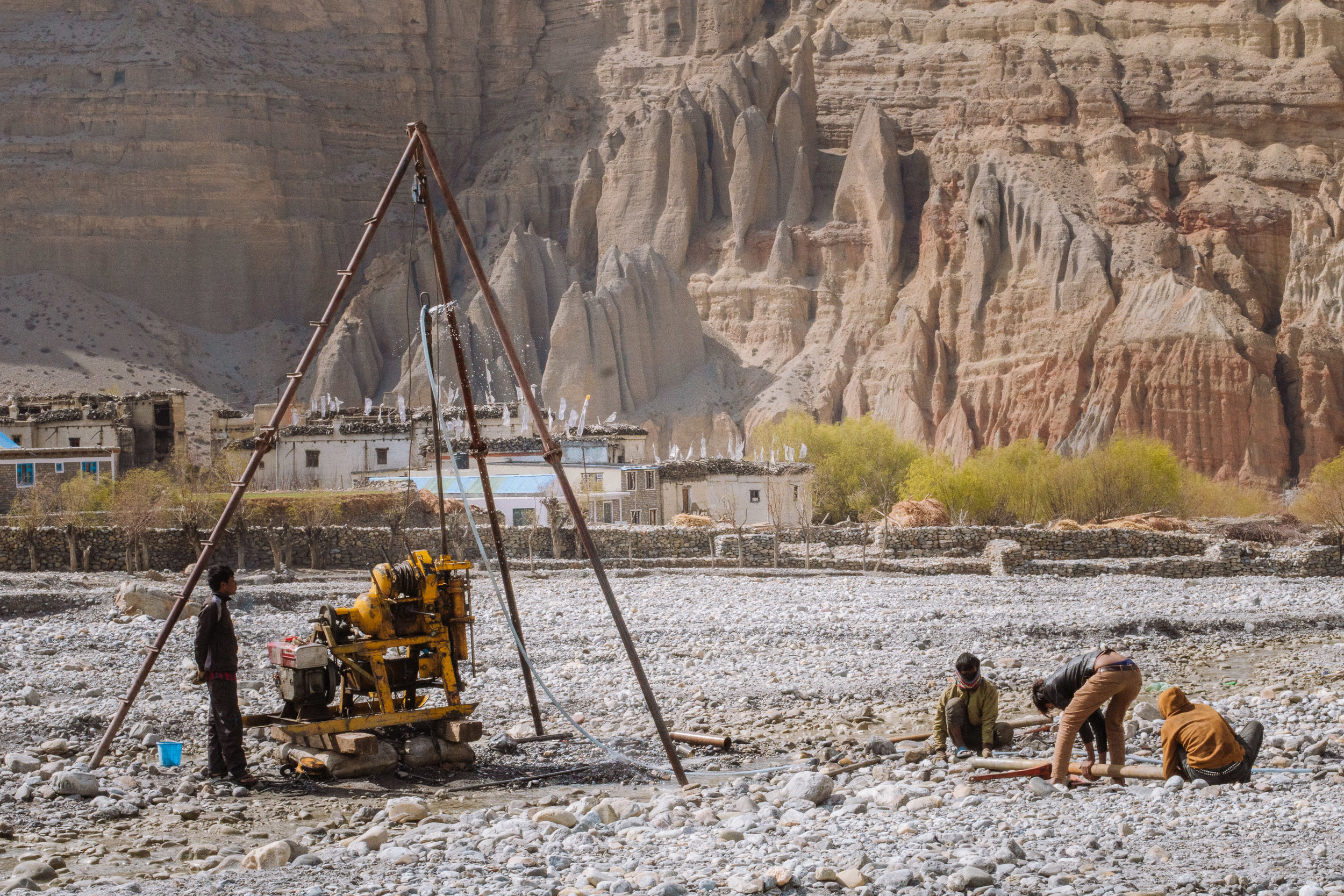
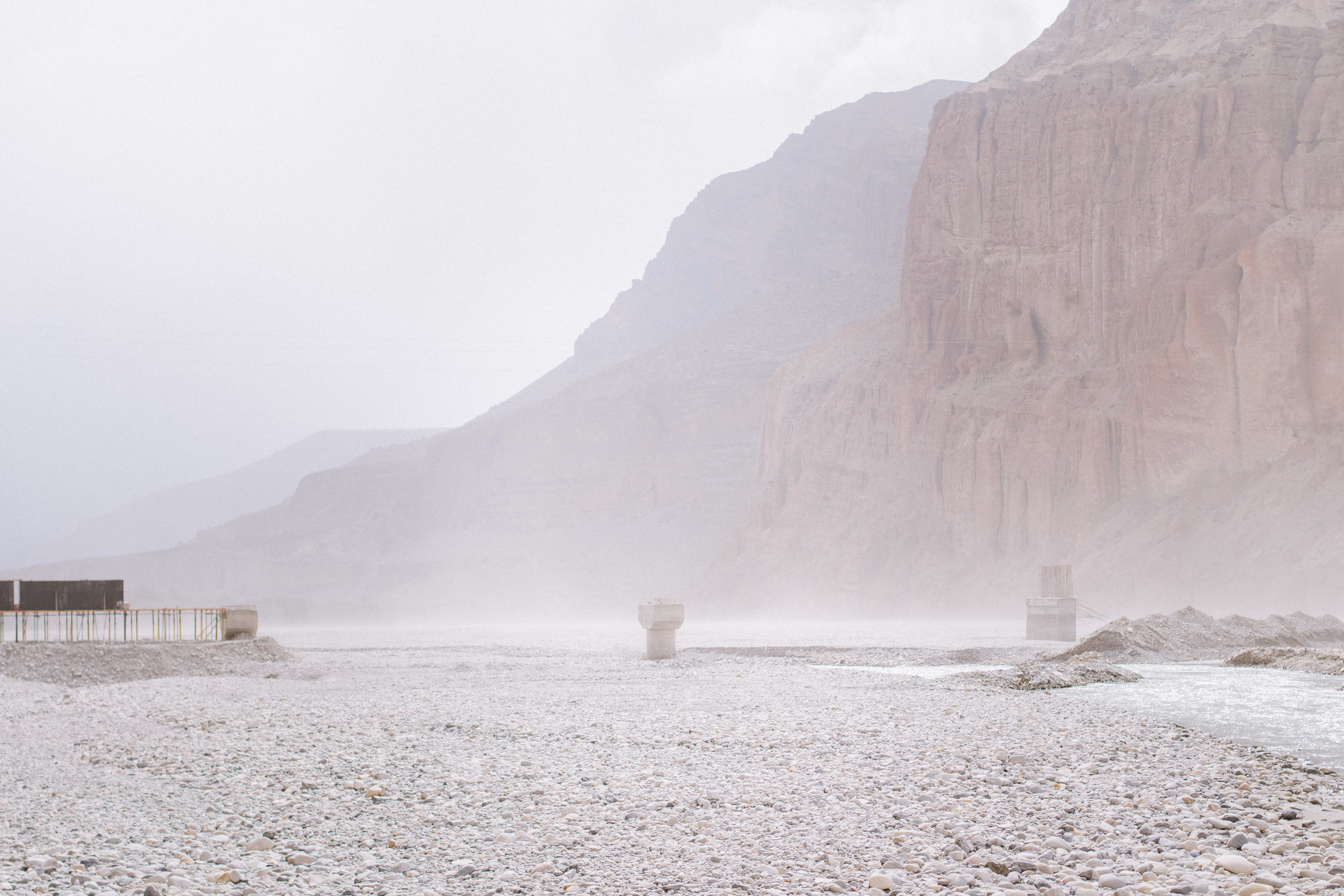


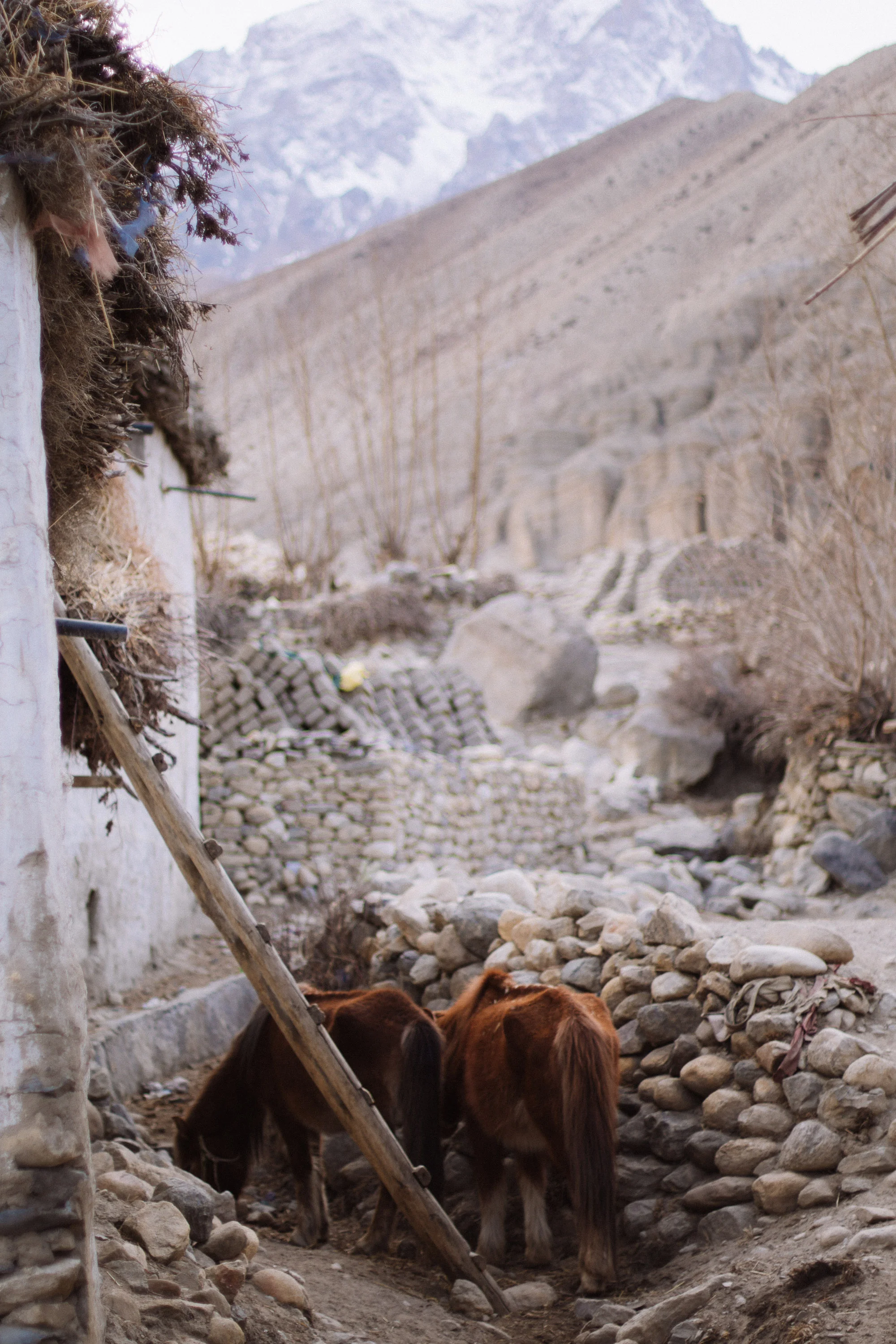
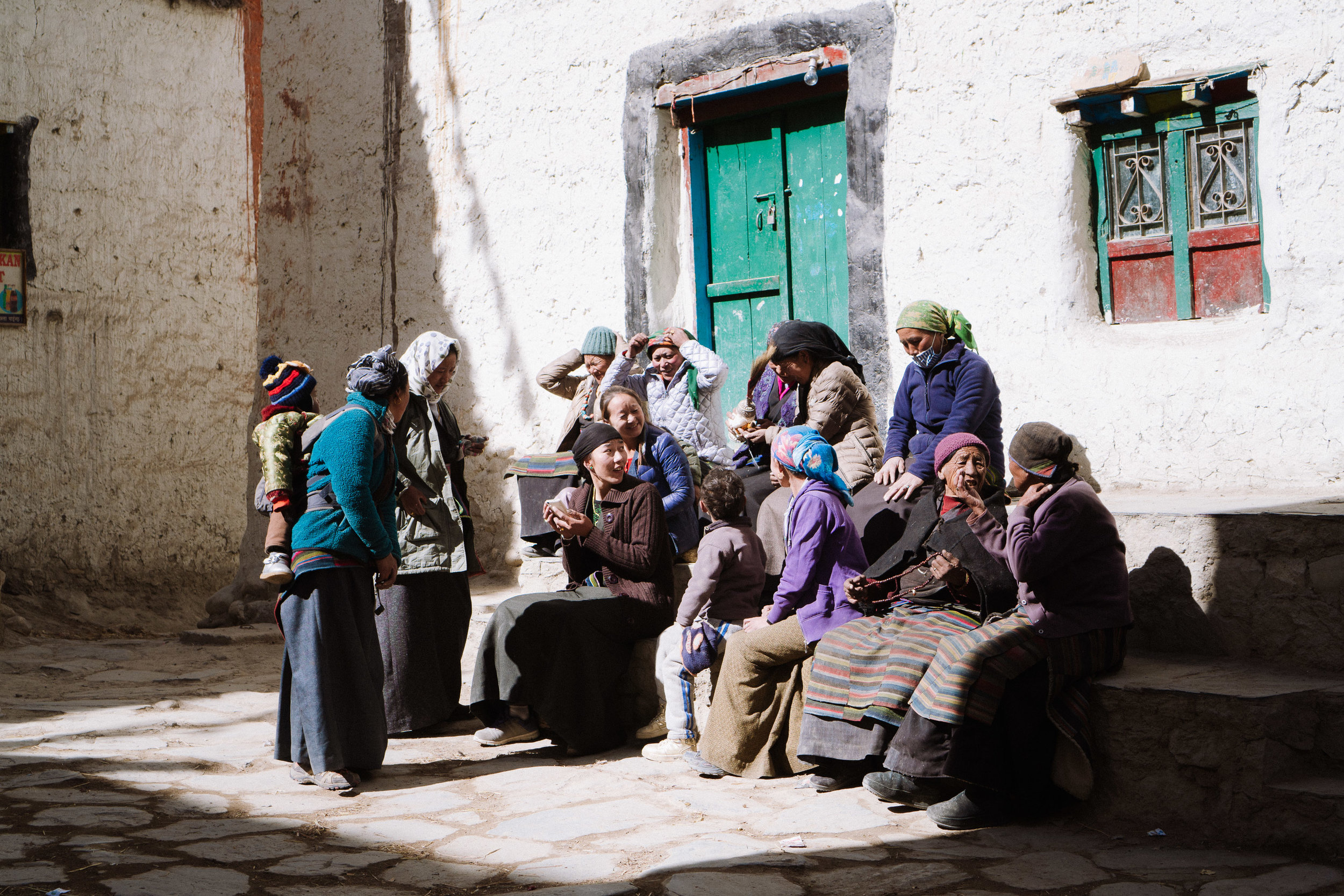
Throughout the villages we stayed in we noticed a lack of people; a few places felt eerie like ghost towns where in the streets there would be literally a handful of people. I later learnt that since the road connected Mustang to the rest of Nepal the majority of people during winter go to Pokhara where the climate is a lot more forgiving, and usually return mid to end March, still a few weeks away for me.



Seven Days in Lo Manthang
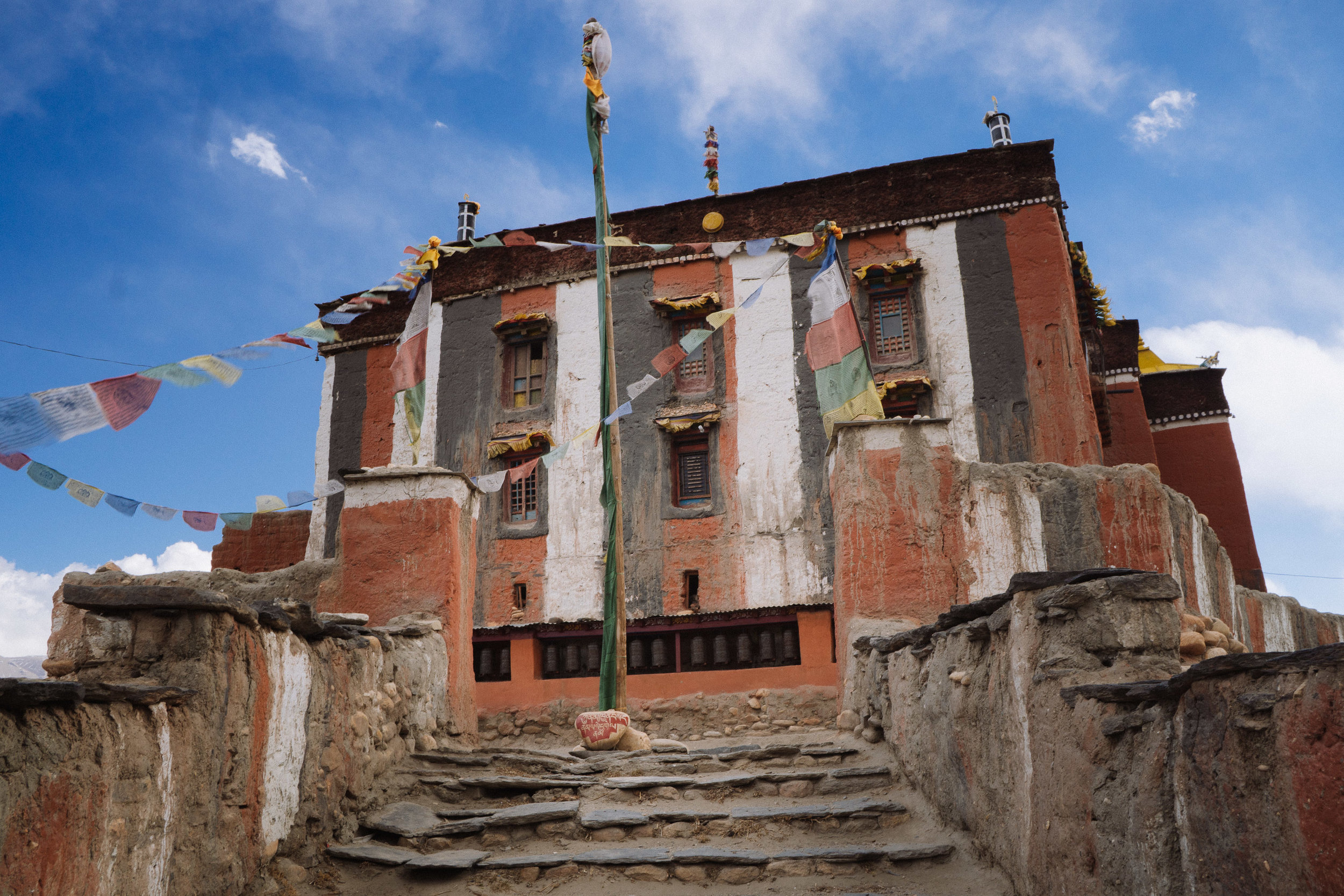
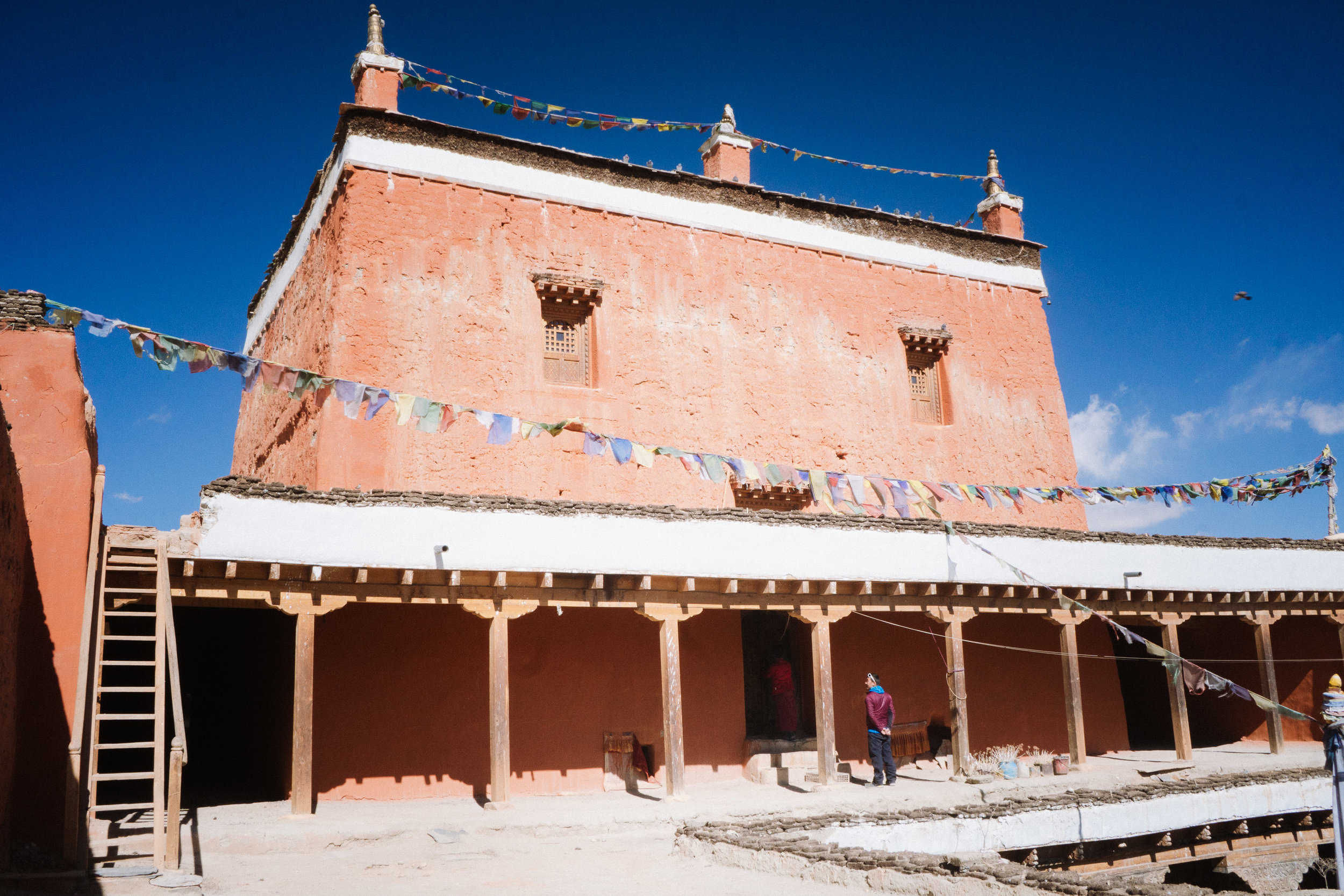
I spent 7 days in Lo Manthang; which gave me a good opportunity to meet people who were in the city (in reality a small town), as the farming and tourism season hadn’t started it was quiet, but people had time. For such a small town; they estimate 160 families, they have three Monasteries, though at this time of year limited Monks, I counted 5 or 6. The Monasteries are a big part of the culture and life of the Lhobas; prayer wheels surround the city, and are found on every street. The Monastery dictates a lot of the lifestyle and calendar events throughout the year.
Everyone is very religious, and actually up until recently every family would have their first born male inherit the family’s wealth, and the 2nd born male become a monk. Also the education the Monasteries offer, again up until recently, was much better than the state. While on the subject, as people may be interested, up until recently women were able to marry multiple husbands, usually brothers; the elder and the 3rd or 4th born, as a way of keeping the wealth within the families but also coming from such a simple and limited background multiple husbands meant more provided to the family and any children.


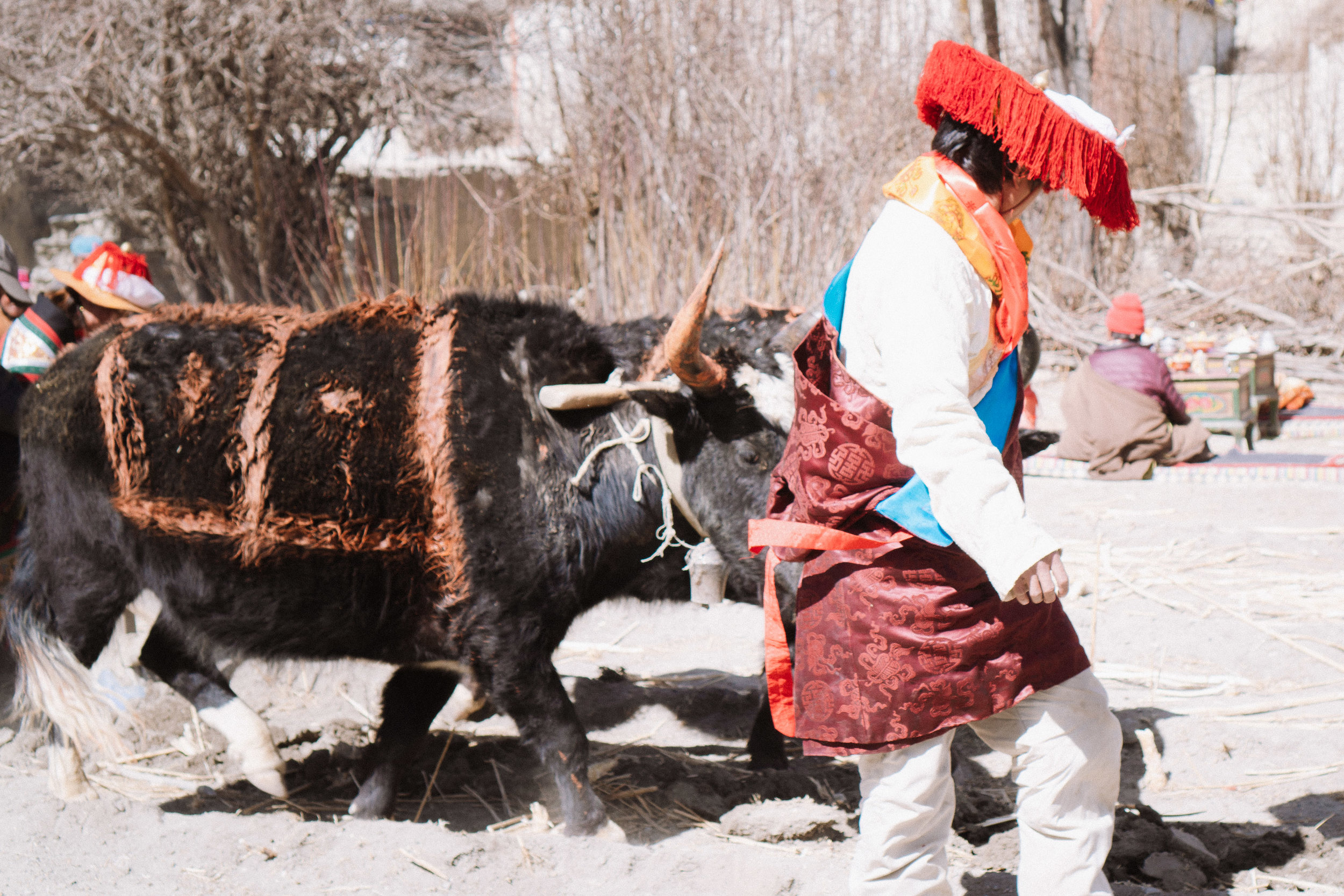
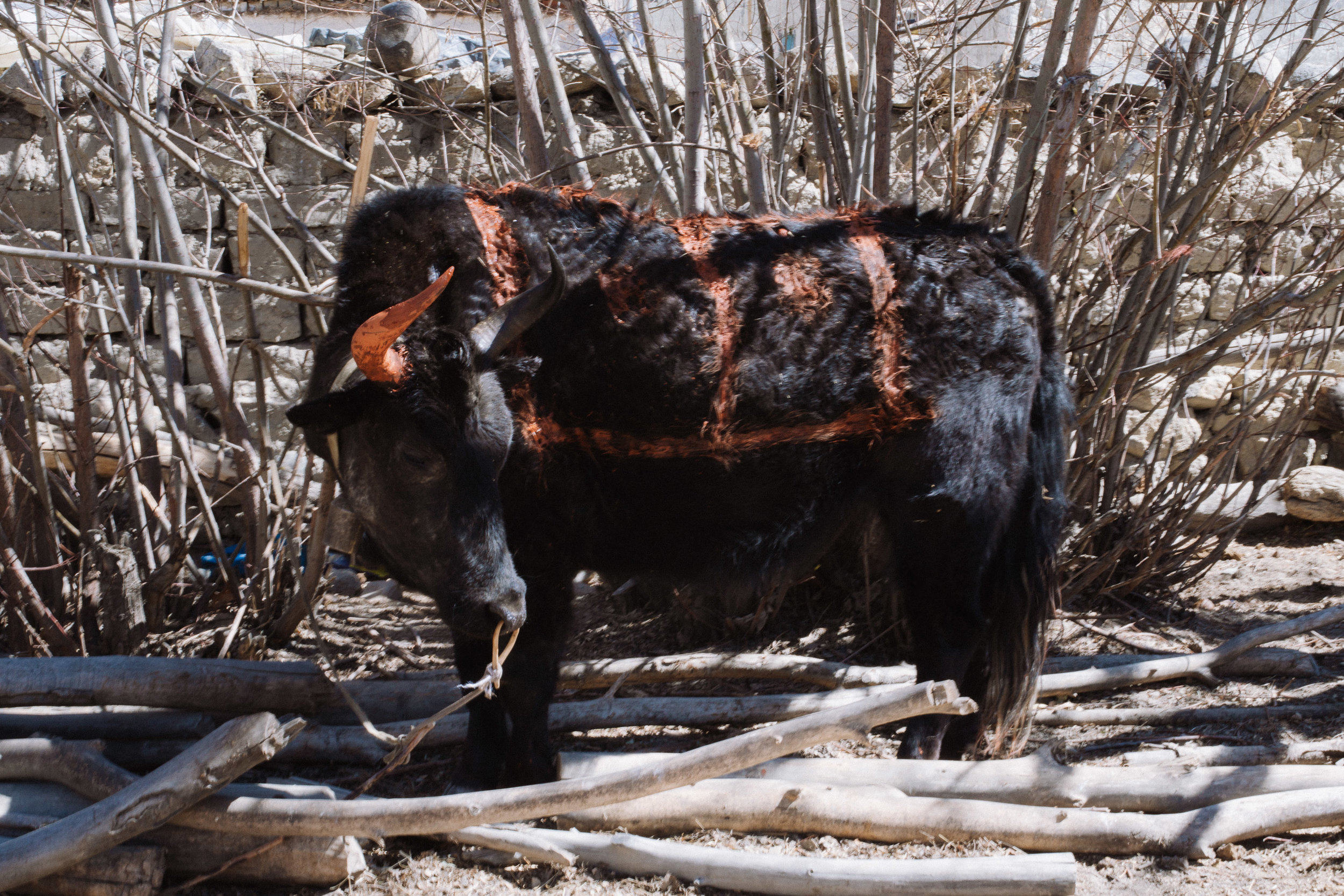
I was lucky enough to witness on my first day in Lo Manthang an event that happens once a year; when the Lama of the local Monastery gives the local people his blessing to start their farming year. The event started out by walking around the local area, and positioning themselves in a field near the walls to the city. The Lama, and one carefully chosen man and woman had to go about ploughing a field while wearing their traditional dress. Later a few of the local people congregated to drink some of their locally brewed millet beer; Chang and some rice.



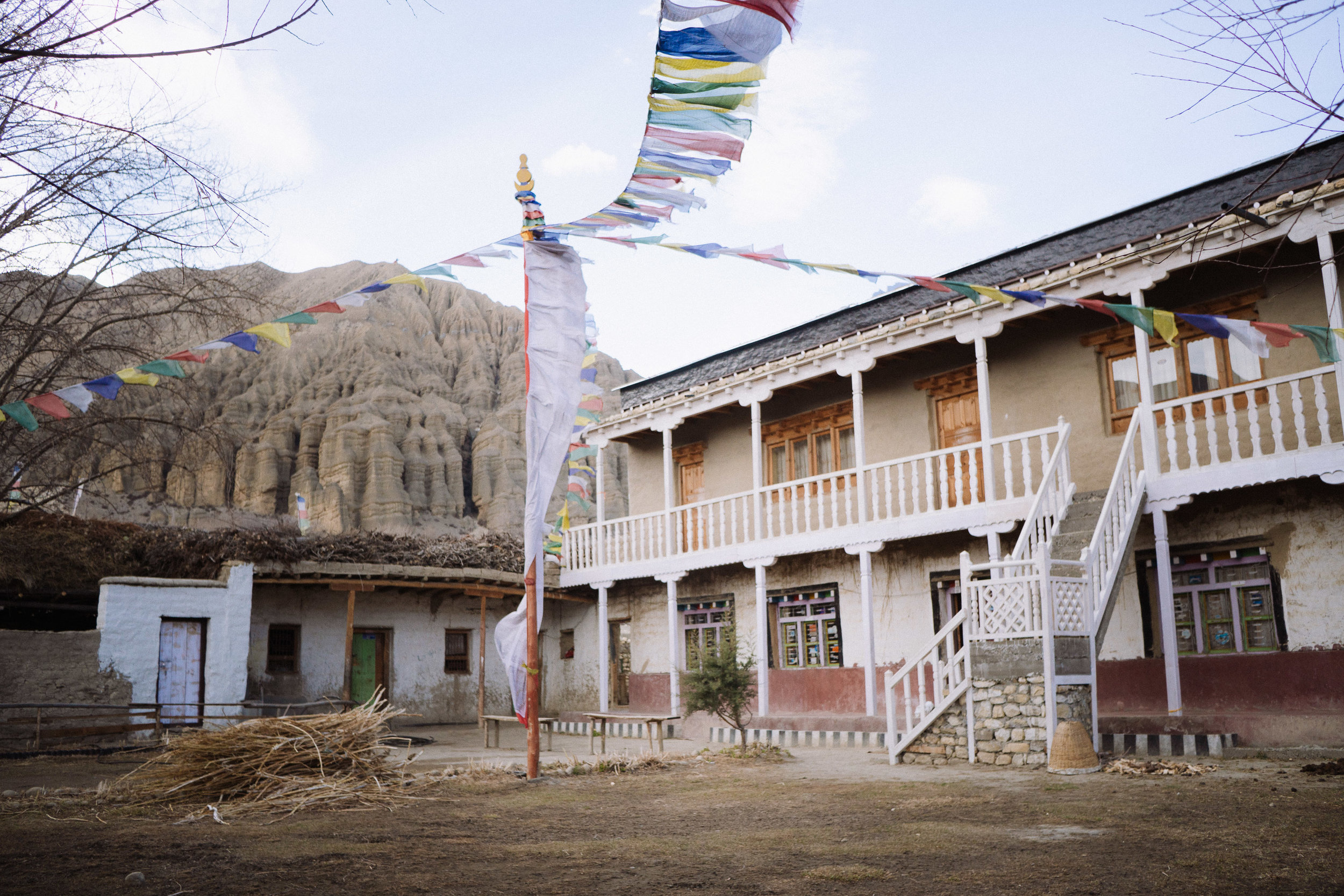
Lo Manthang has three schools; one backed by the Monastery, another by the state and the third backed by the US. However, when talking to a number of the locals; they choose to send their children away to be educated from a young age; in the belief they study harder without distractions from home; some educated in boarding schools in Jomsom (1 day by jeep), Pokhara (3 days by jeep) or further afield in India, where the belief is that the education system is better, especially within their Monasteries.


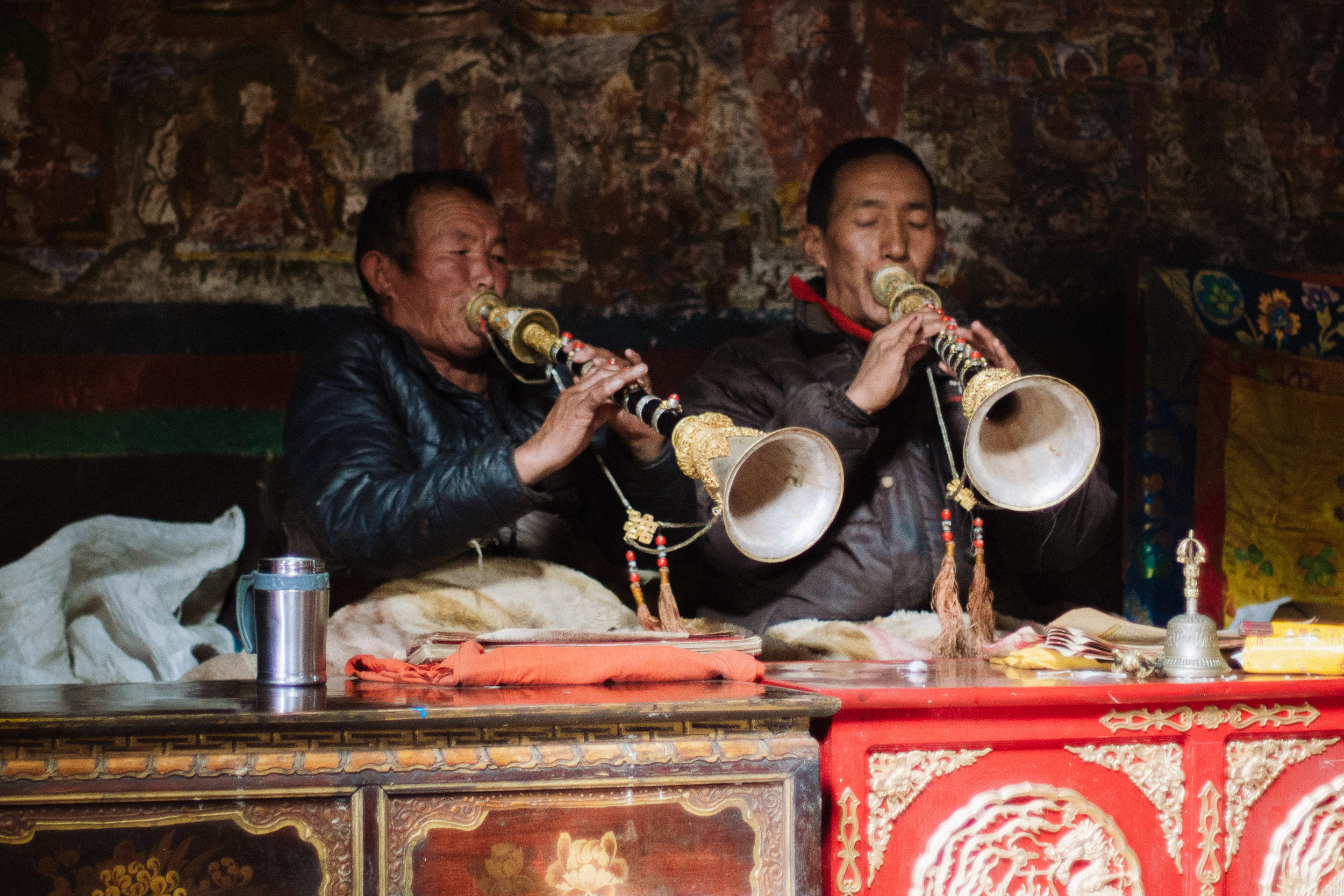
During one of the days, I walked a few hours out of Lo Manthang to visit a Monastery I had read about; one of the oldest in Mustang called Nyphu Gompa, part of it is built into a cave, with a small residence of monks who live there all year round. On arrival they were amidst a prayer session where the Monks were playing a mixture of instruments from drums to horns to shells, while reciting mantras.


Tashi & Karma
I met with two individuals who actually really made my visit in Lo Manthang, firstly a local artist who is one of the key contributors to the restoration projects in the Monasteries; Tashi. On meeting with him, he was super inquisitive about myself, and was very keen to show me around the city, including his family house, still laid out in the traditional way; ground floor for cattle and animals, and upper floor for family living; one kitchen and lounge which he also used as a home studio, a room dedicated to prayer, a landing area where his wife would hand make clothing and shoes, and a toilet.



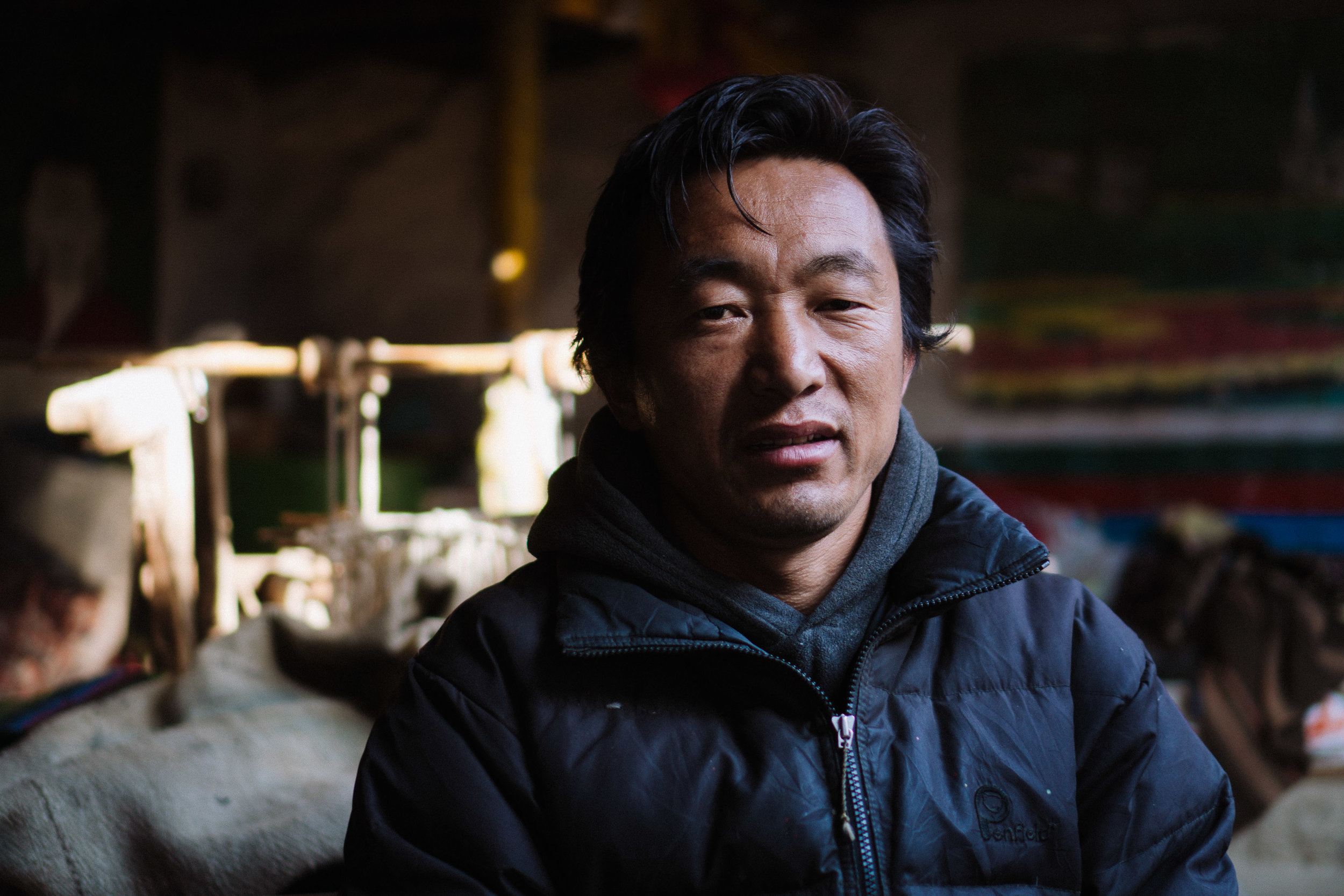
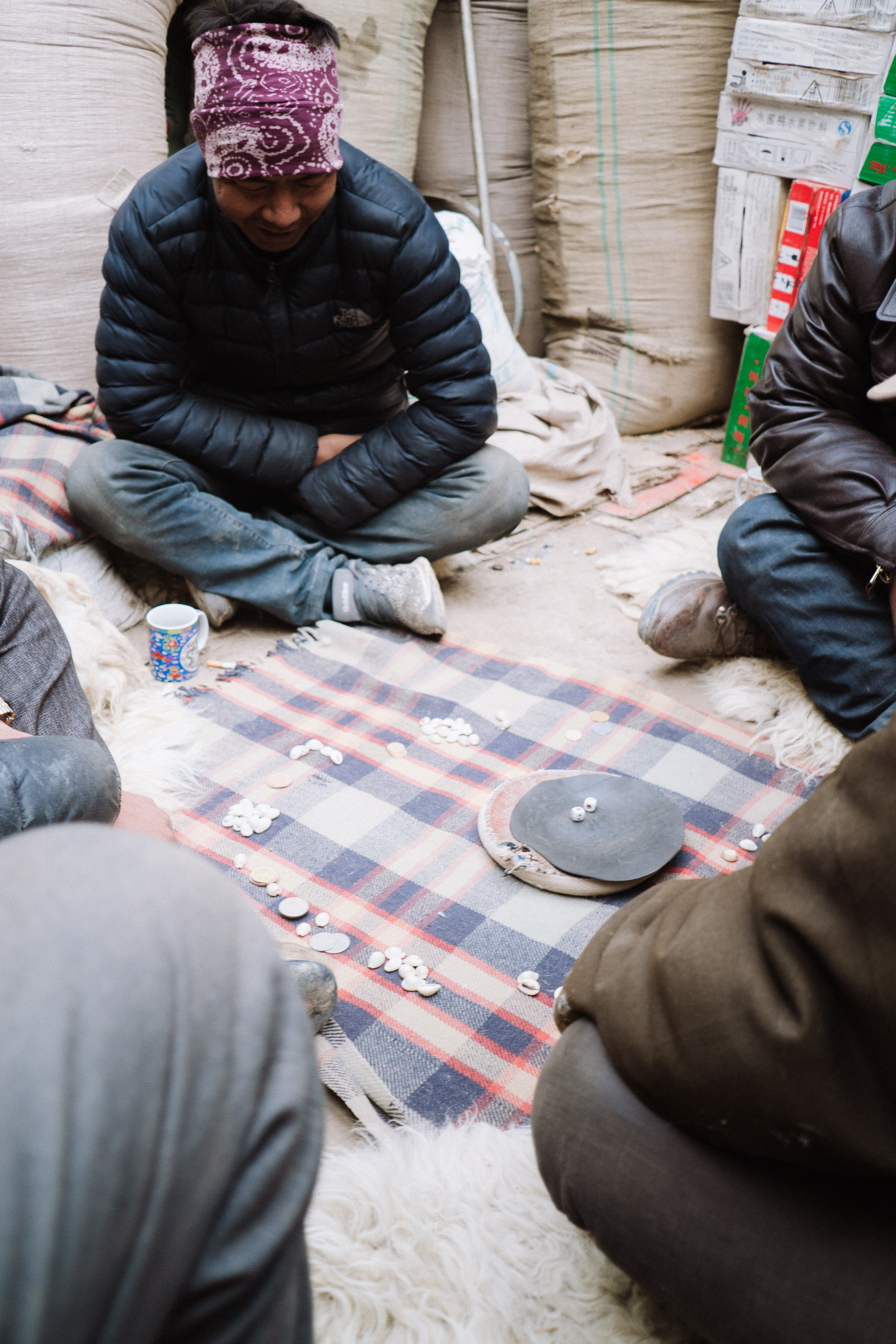
Secondly; Karma, who despite his broken English and my non-existent ability to speak the local dialect; an evolution of the Tibetan language, spoke at length about Nepalese politics, the Royal Family of Mustang and the power of the Buddhist faith in Mustang. He showed me around the town, introduced me to a number of people, and most importantly took me to the local Chang House; AKA: Pub. Where to my amazement I found two rooms, everyone drinking the local millet wine; Chang, one small crowded room of men playing a dice game, all gambling, and another with about 7 or 8 men sat around watching a satellite TV with Wrestlemania, cheering at smack downs!


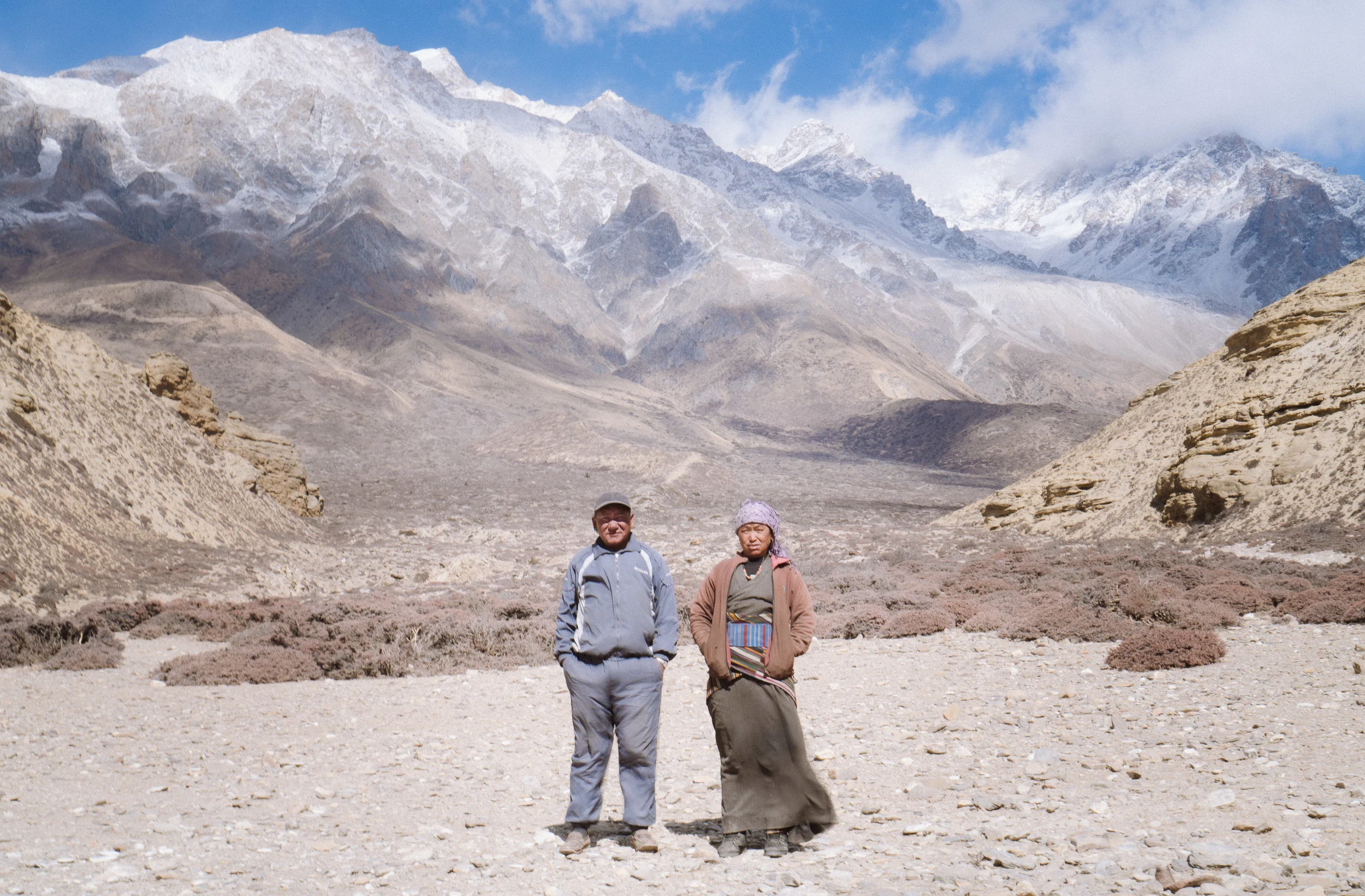
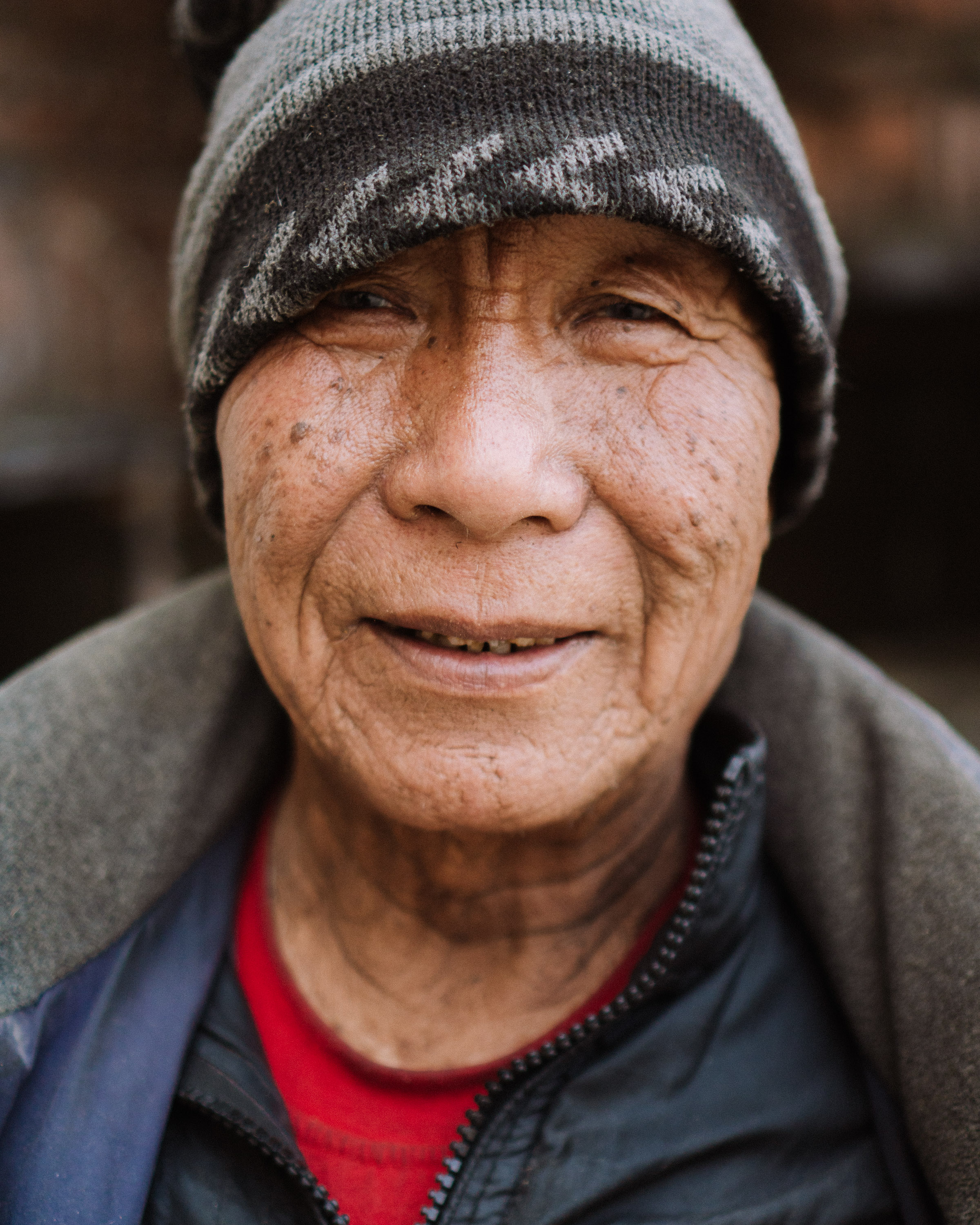
I learnt a lot from my time in Mustang; not only about the culture and lives of these people, but also about trying to plan and organise future trips and photo projects. The images I have as a result I am happy with, however they are not what I had planned for, or expected. In truth I was expecting a lot more of the local population to still be wearing their traditional wear, but the reality is they have swapped their Chubas for fake North Face jackets and New York Yankee baseball caps as fashion is now accessible and jackets are a lot warmer in their cold climates!
The biggest calendar event of the year is the Tiji festival, held every May. It is a religious event where a series of ceremonies are performed over three days to chase away evil spirits. For this all of the local inhabitants and monks from the surrounding areas attend to play a part in this very special event. I plan to return to Mustang to capture this event, and have been sanctioned by the Head Lama of the Monastery of Lo Manthang to photograph the event, and plan to share the images with the Monastery.






















Leaving Mustang
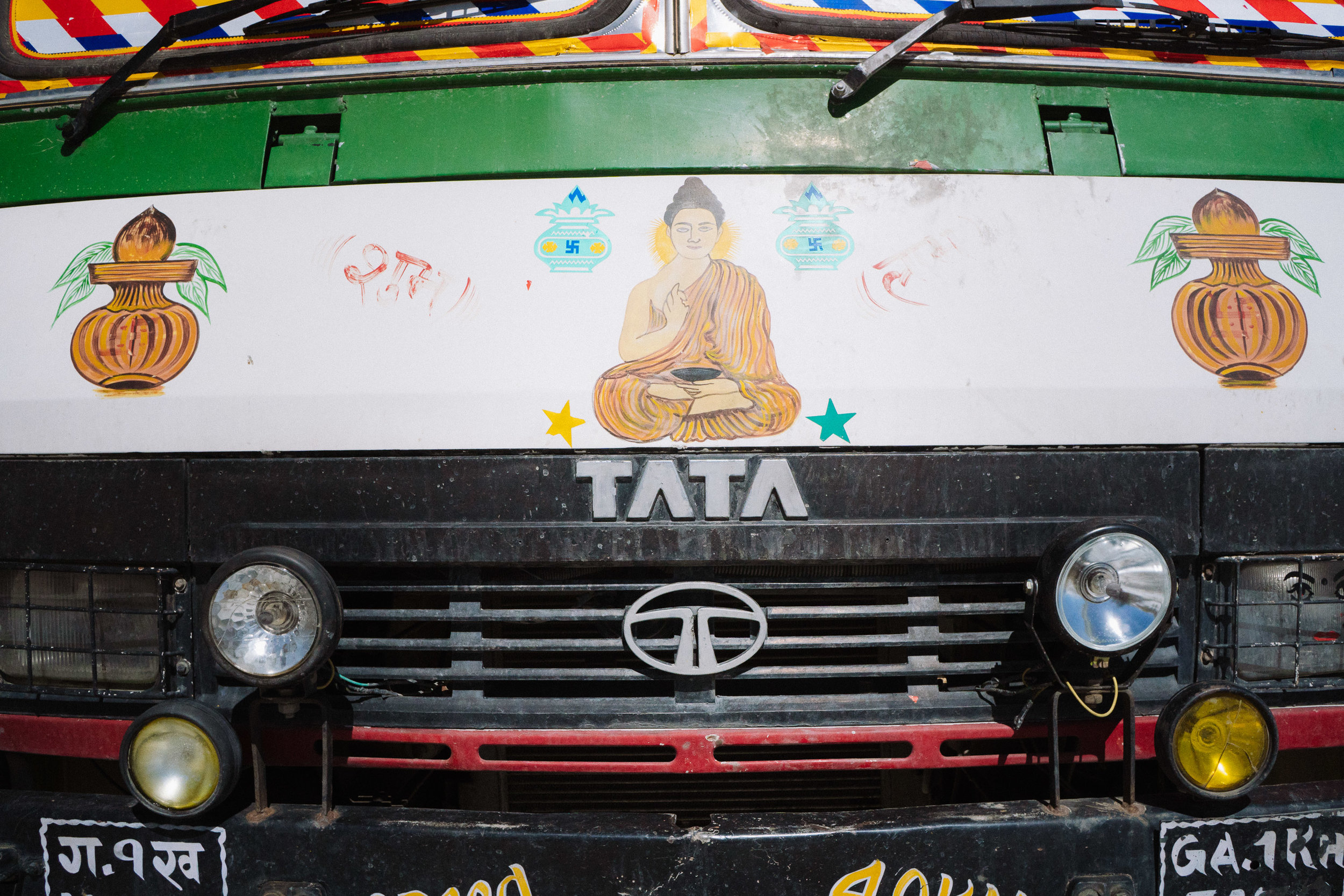
On leaving Lo Manthang, a snow storm hit, so we needed to postpone another day, and the day following that we trekked for 7 hours through waist high snow along mountain passes, a tough day that will stick a long time in my memory! With this much snow, getting out of Mustang was going to be a very lengthy journey! We arrived in the town of Tsarang in the evening and learnt that the following day there would apparently be a freight truck leaving, driving along the river bed back to Jomsom, which we decided to take.


This didn’t come without its own difficulties as the truck had suffered axle issues, which were fixed on the spot with makeshift tools. The 8 hour journey, took myself, my guide and a couple of others down a treacherous river, which at points we were driving through 1–1.5m deep rivers, through caves and up 45 degree icy slopes.
